Skip to content
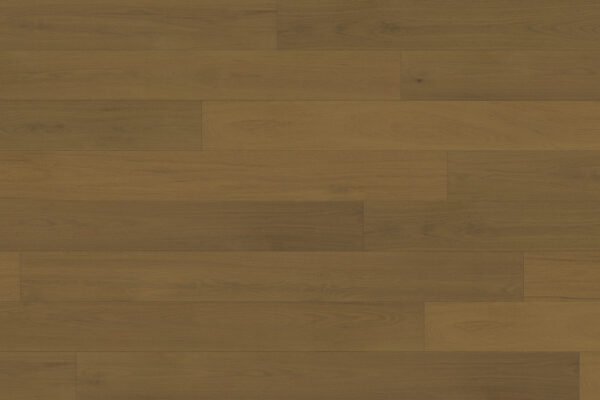
For interior designers, flooring is more than a surface—it sets the visual foundation of an entire space. When working on residential projects, designers need materials that are aesthetically versatile, technically reliable, and easy to specify across multiple layouts.
This is why American oak engineered flooring has become a preferred choice among designers for modern homes and developments across the U.S.
1. A Neutral Wood Species That Supports Many Design Styles
Designers often work across different styles, sometimes within the same project portfolio. American oak offers a rare balance:
- Clean, readable grain
- Soft natural tone without strong color bias
- Compatibility with modern, transitional, and classic interiors
Unlike more visually dominant species, American oak acts as a design anchor, not a distraction.
2. Controlled Grades That Match Design Intent
Design consistency is critical—especially when flooring runs through multiple rooms or units. Finefloor offers AB, ABC, and ABCD grades, allowing designers to align flooring appearance with project positioning.
- AB Grade – clean, refined, ideal for minimalist or high-end interiors
- ABC Grade – natural and balanced, suitable for most residential designs
- ABCD Grade – more variation, appropriate where character is desired without excess cost
Designers most commonly specify ABC grade for its flexibility and market acceptance.
3. Preferred Plank Widths for Modern Layouts
Plank width directly affects spatial perception. In modern residential design, wider planks are often preferred for their visual calm and continuity.
Finefloor’s 190mm and 240mm widths are especially popular because they:
- Reduce visual breaks
- Enhance the sense of openness
- Work well in both small and large rooms
Designers frequently specify 240mm for feature areas and 190mm for general living spaces.
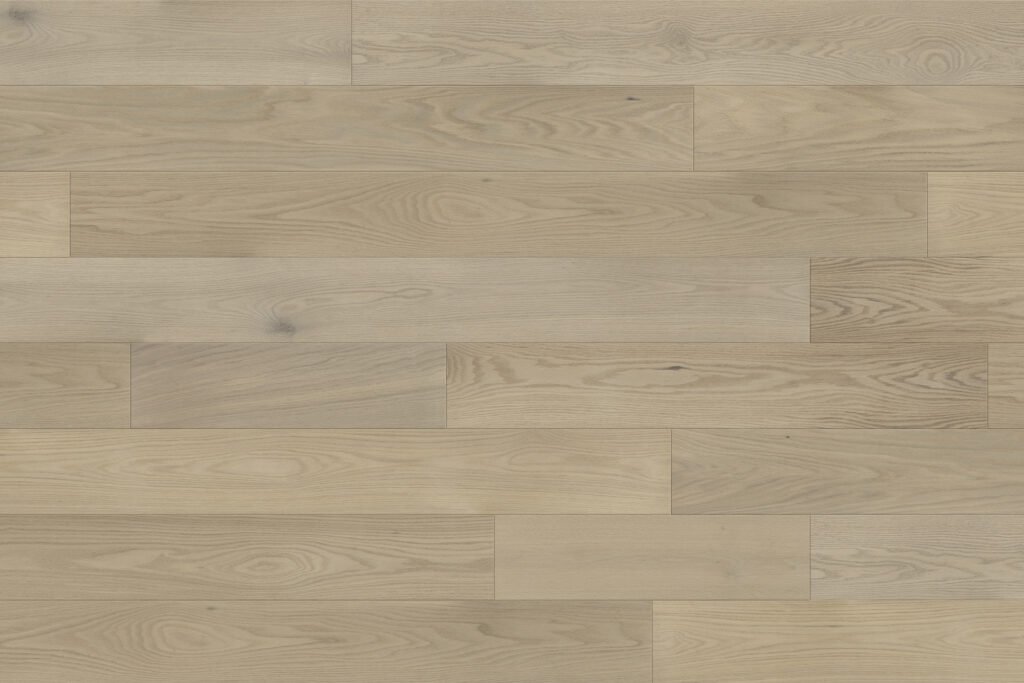
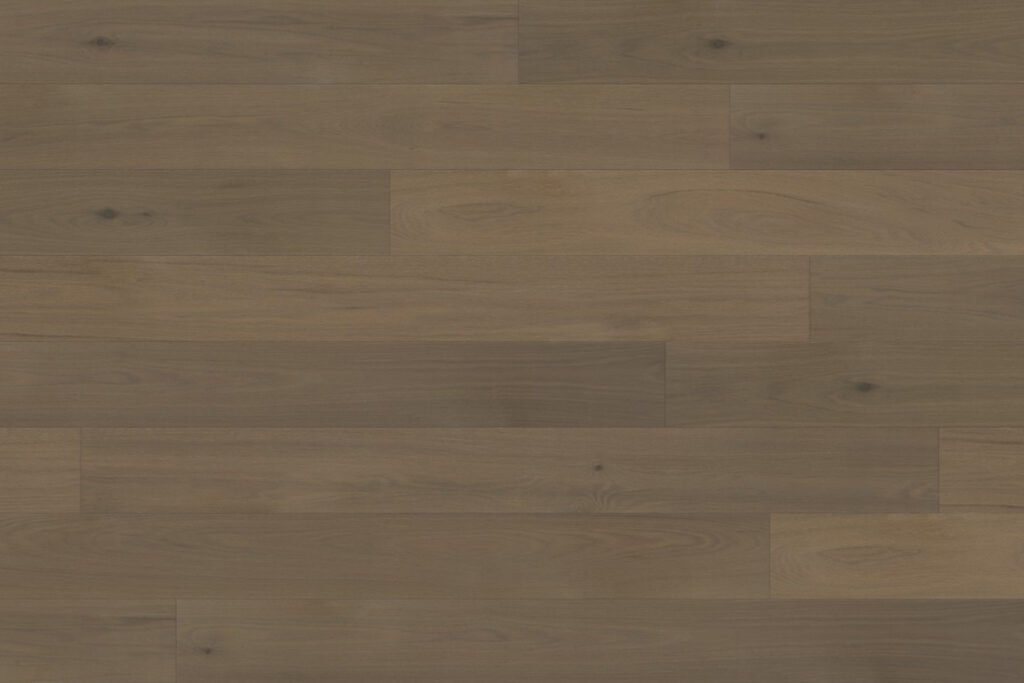
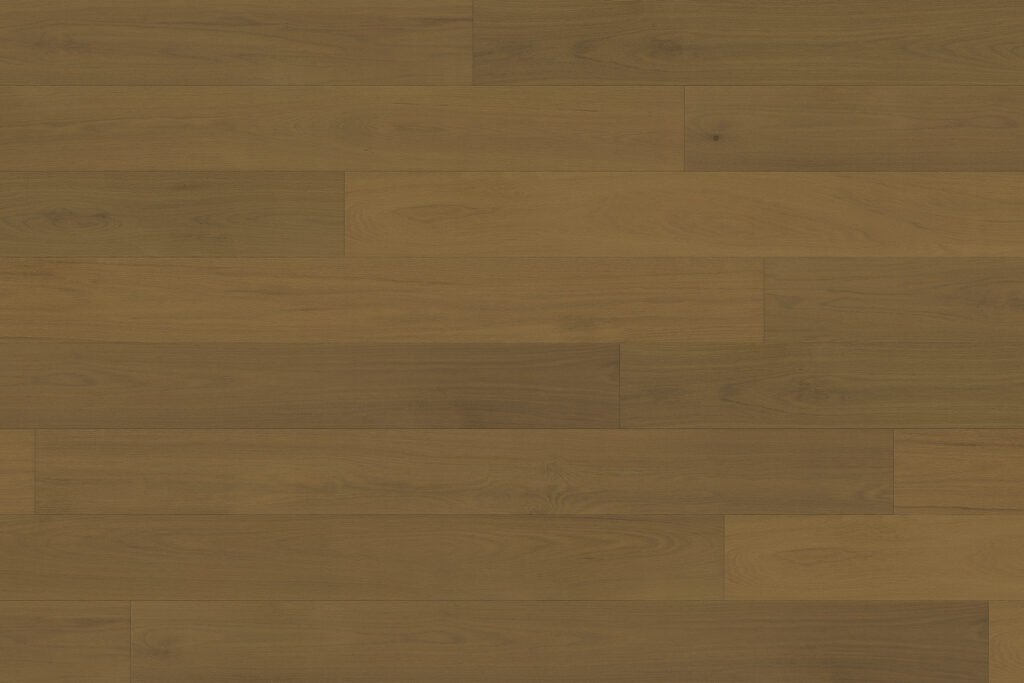
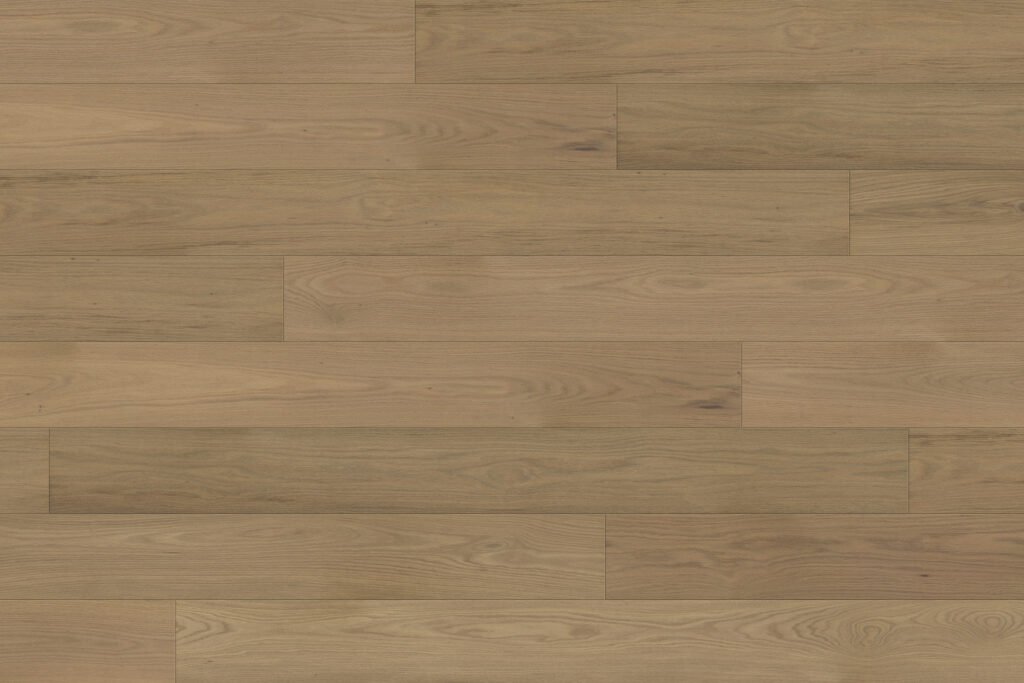
4. Designer-Approved Color Palette
Rather than offering dozens of niche colors, Finefloor focuses on proven, designer-approved tones:
- Natural – timeless and adaptable
- Ivory – light, modern, and space-enhancing
- Honeycomb – warm neutral with broad appeal
These colors integrate easily with cabinetry, wall finishes, stone, and metal accents—reducing coordination risk during the design process.
5. Engineered Construction Supports Design Freedom
Designers increasingly specify flooring over:
- Concrete slabs
- Radiant heating systems
- Multi-level structures
Engineered American oak flooring supports these applications far better than solid hardwood, allowing designers to focus on creativity without technical compromise.
6. Reliable Specifications Across Repeat Projects
For designers working with developers or builders, repeatability matters.
American oak engineered flooring offers:
- Consistent appearance
- Stable performance
- Predictable availability
This makes it easier to reuse specifications across projects without redesigning flooring selections each time.
Conclusion
Designers choose American oak engineered flooring not because it is trendy, but because it consistently supports good design decisions. Its clean grain, controlled grading, neutral colors, and engineered stability make it one of the most reliable flooring options for residential interiors today.
Call to Action
Working on a residential project and need a dependable oak flooring specification?
Contact Finefloor to request samples or design support for American oak engineered flooring.