
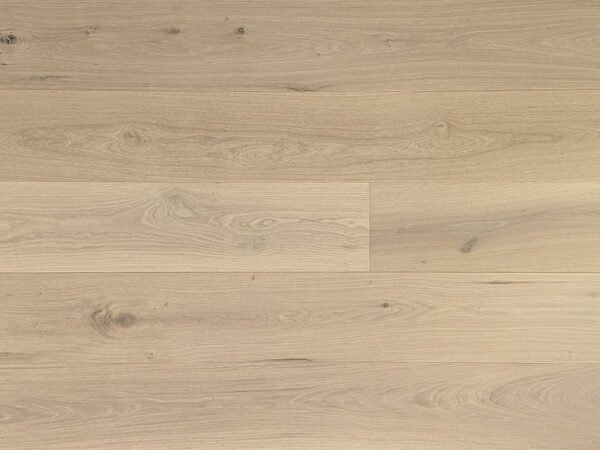
Use hardwood flooring samples to review the actual material, and use screen images to build a shortlist and discuss design direction. For distributors and large retailers, the clearest approach is to connect photographs, physical samples, and written product information without promising that a screen image—or one small sample—represents every board.
FineFloor’s Amara Collection offers three useful examples: Laguna’s light natural warmth, Cordoba’s warm natural oak appearance, and Riviera’s soft light cream tone. Comparing these selections gives showroom teams a practical way to discuss color, grain, and presentation. Final selection should refer to identified physical samples and the corresponding product specification.
1. Give Images and Samples Different Jobs
A product photograph helps a buyer identify a color direction before requesting more information. A room scene adds context for furniture, wall finishes, and the overall design. A physical sample allows direct examination of the actual surface.
Keep those roles clear in dealer presentations. A room image should not become a color standard, and a close-up should not be presented as a complete view of an installed floor.
Ask customers what they are responding to: the warmth of the color, the grain, or the room styling. This separates a material preference from an attractive photograph.
A useful statement beside online images is:
“Images are for visual reference. Review physical samples to confirm color, texture, and natural variation before approving your selection.”
This wording supports a review process without promising sample availability, cost, or delivery timing.
2. Compare Named Colors Under Consistent Conditions
Prepare a comparison using clearly labeled samples rather than unidentified photographs from different sources. Keep the sample orientation and viewing conditions consistent during the initial review, then examine the selections in the intended display setting.
For the three Amara examples, use specific descriptions:
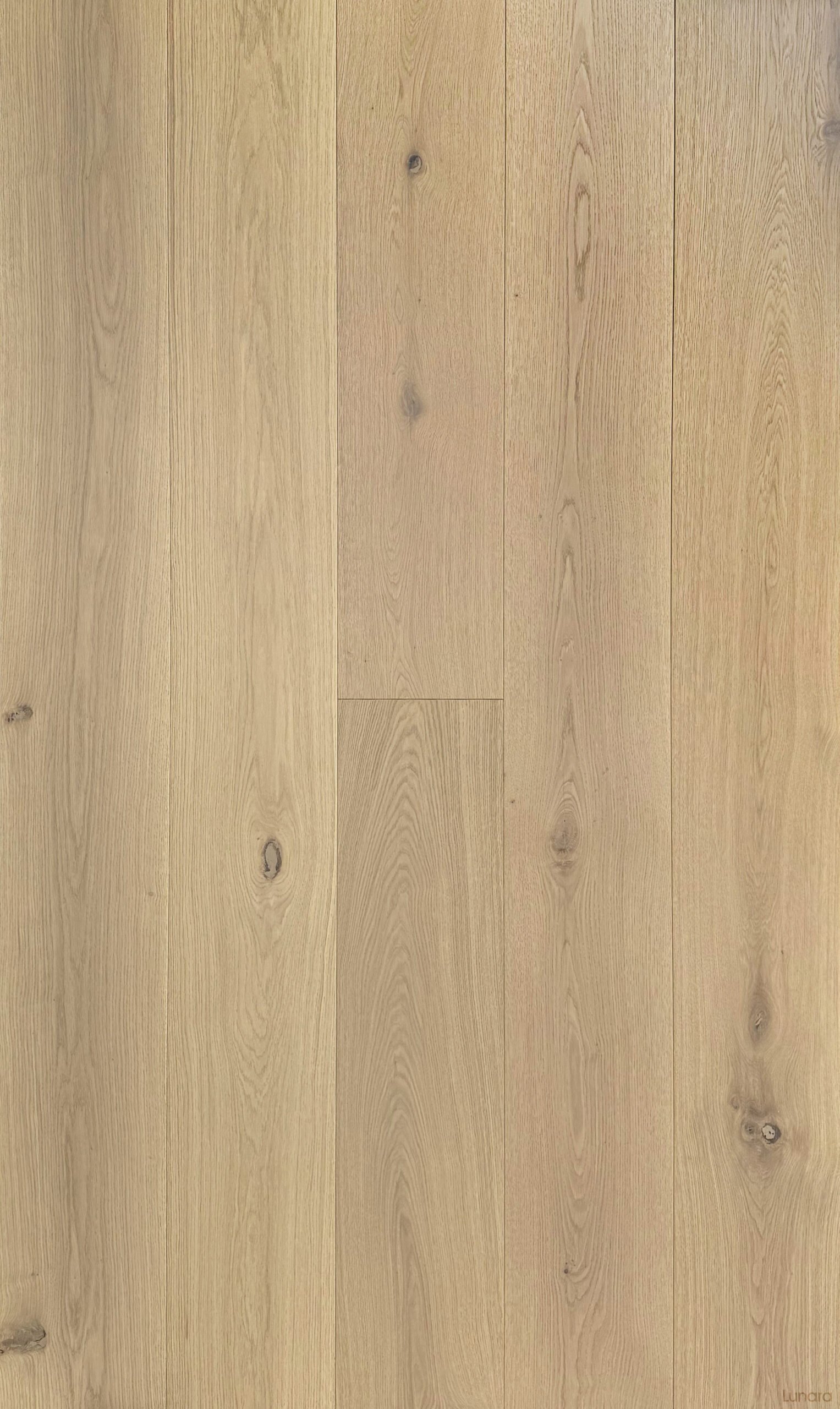
- Laguna: Light natural oak with fine grain and soft warmth.
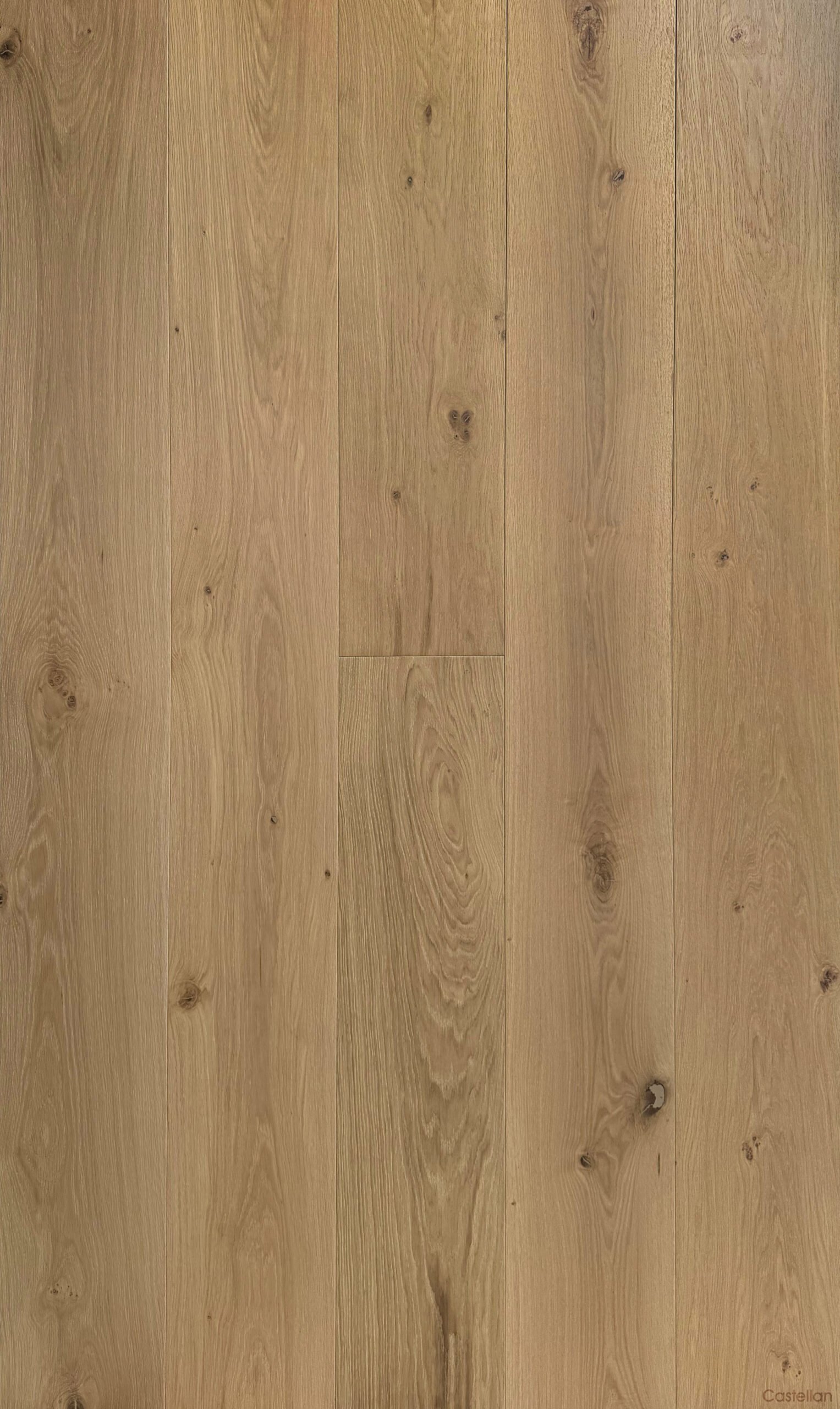
- Cordoba: Warm natural oak with clear grain and gentle tonal variation.
- Riviera: Soft light cream oak with a clean, bright appearance and fine natural grain.
These descriptions establish a starting point, not a precise digital color value. If someone describes a sample as warmer, cooler, lighter, or darker than expected, record the observation and the viewing conditions before revising the selection.
For a product reference, use Laguna Light Natural European Oak Flooring. Keep the same color name on the sample label, product sheet, and purchasing discussion.
3. Discuss Grain and Variation Alongside Color
Oak flooring colors should not be reduced to a single flat swatch. Amara is European oak in Natural Grade, and natural grain, knots, and tonal variation remain part of the selection.
When reviewing a sample, ask which characteristics the buyer wants explained to retail customers. Is the concern the overall tone, the contrast within the grain, or variation between boards? Those are different questions and should be recorded separately.
A small sample may introduce the material, but it should not be described as a complete picture of all board variation. Where additional sample views are needed, ask what can be provided rather than assuming a particular sample format is available.
For a warmer comparison, refer to Cordoba Warm Natural European Oak Flooring. Use its documented appearance to explain the selection without assigning unconfirmed stain, smoking, or other treatment descriptions.
4. Keep a Written Record of What Was Reviewed
A short review record helps purchasing teams and showroom staff refer to the same material. It should identify the sample and describe the decision without turning a visual reference into a promise of identical boards.
| Review item | What to record | What not to assume |
|---|---|---|
| Product identity | FineFloor, Amara Collection, selected color | Similar photographs identify the same product |
| Image reference | Filename or product page used | A room scene is a completed customer project |
| Physical sample | Sample label and review date | A small sample shows every possible variation |
| Viewing conditions | Display location and lighting used | Every viewing setting will produce the same impression |
| Color observations | Warmth, lightness, and overall tone | An image guarantees an exact color match |
| Wood character | Grain, knots, and observed variation | All boards will repeat the sample |
| Surface specification | Matte UV-cured urethane; light wire brushed | Photographs establish coating or performance details |
| Open questions | Information needed before approval | Missing information is already confirmed |
If the image and sample appear different, first check their product names and references. Then request clarification with both references attached. Avoid resolving the question by editing the photograph until it resembles someone’s screen.
5. Connect Color Approval to the Purchasing Specification
Once a color has been shortlisted, confirm the product configuration separately. The supplied Amara specifications include 10.25″ × 86.6″ boards, approximately 260 × 2200mm, with 5/8″ total thickness, a 4mm sawn-cut oak veneer, and plywood construction.
Record the matte UV-cured urethane finish, light wire-brushed texture, micro-beveled edges, and glue-down or nail-down installation. Each box covers 36.942 sq.ft. and weighs 73.41 lbs. Color approval does not replace these purchasing checks.
Related products require their own review. In the separate red oak flooring and stair pairing, coordination concerns color, species, and overall appearance; it does not mean identical construction or face thickness. It also does not establish matching Amara stair products.
Discuss Sample Requirements with FineFloor
Share your company, sales market or project, preferred colors, specification needs, and estimated quantity. Contact FineFloor to ask about dealer sample arrangements and product information, and discuss bulk purchasing or channel cooperation. Confirm sample availability, charges, and timing directly before making arrangements.
6. Frequently Asked Questions
Can customers approve oak flooring from a screen image alone?
Use screen images for initial selection and design discussion. Refer to identified physical samples and written product information when confirming the material.
Does one sample guarantee identical color and grain across an order?
No. Natural grain, knots, and tonal variation remain part of the product. A sample is a reference, not a promise that every board will be identical.
What should a dealer do when a photograph and sample look different?
Check that both identify the same product and color. Record the viewing conditions and send the references to FineFloor for clarification before confirming the selection.
Are samples currently available, free, or supplied within a fixed time?
This article does not confirm those conditions. Ask FineFloor about the sample arrangement for the intended colors, including availability, charges, and timing.